The Journal
Buying a 2000s-Era Home in Katy, TX: What the Inspection Should Cover
November 11, 2026 By Carol Jukes 7 min read
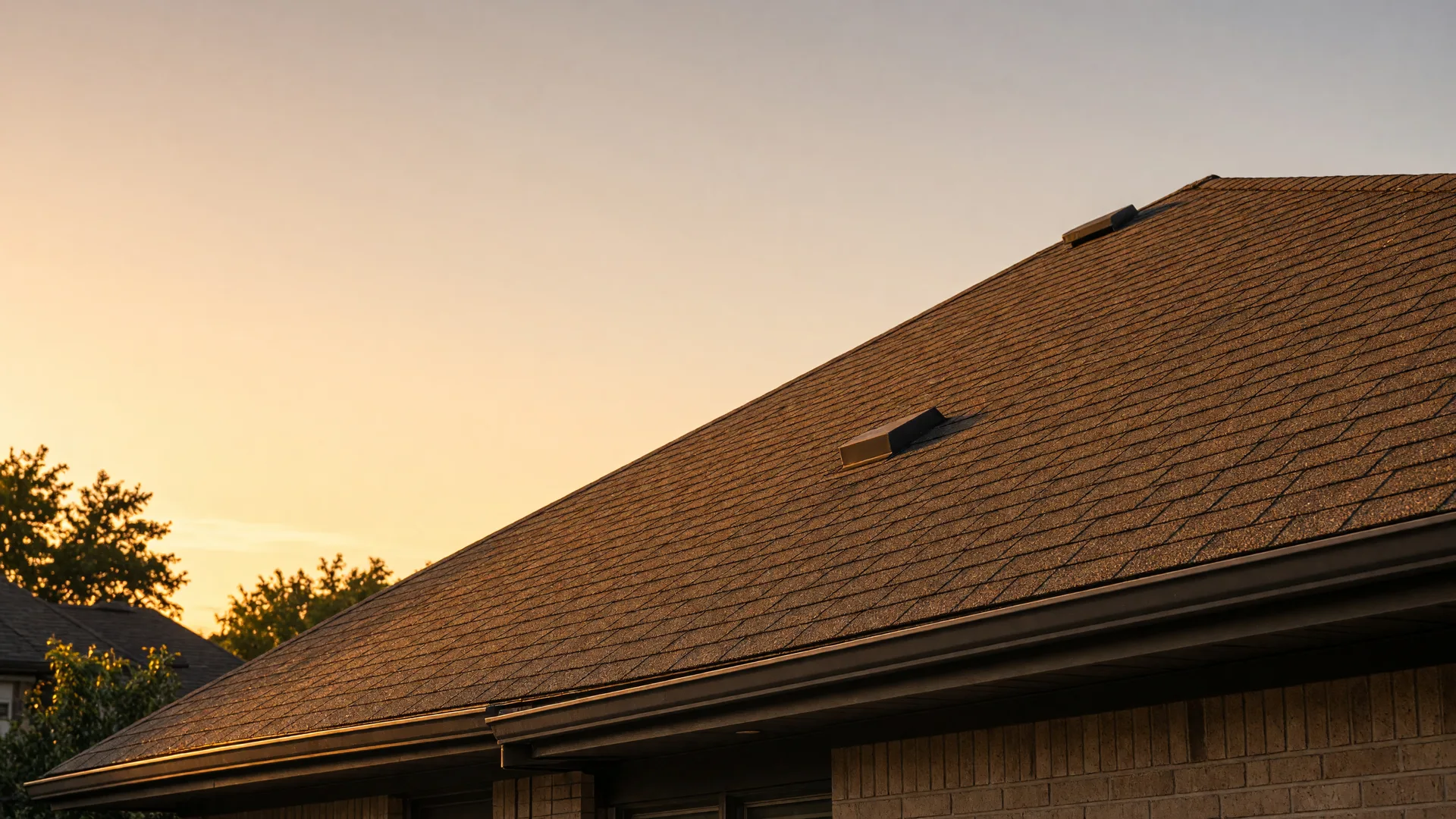
If you are shopping Katy's 77449 ZIP code, the home you are touring was most likely built between the mid-2000s and early 2010s, which means its roof, air conditioning, and water heater are now near the end of their useful lives in Houston's climate. That is why the inspection matters more than the finishes. Here is what to focus on when a home from that era comes back with a report, and what a standard Texas inspection will and will not tell you.
Why the build era matters in Katy 77449
Much of Morton Ranch, the community this site follows, went up during the same building boom: the HOA describes a neighborhood of roughly 748 homes, and HAR.com's Morton Ranch profile shows a median year built around 2008, with homes coming together from the mid-2000s into the early 2010s. The surrounding 77449 inventory leans to the same era. Do the math on an average 2008 house in 2026 and the original systems are 18 years old, with the air conditioner, water heater, and roof all past the ages most contractors expect them to survive in this part of Texas. None of that is a reason to walk away. It is a reason to read the inspection report with the big-ticket items in mind.
The roof is usually the first big item to age out
Houston's heat bakes the oils out of asphalt, the daily temperature swing makes shingles brittle, and the humidity feeds algae growth. The result, per Houston-area roofing sources, is that standard three-tab shingles typically last about 10 to 15 years here and architectural shingles roughly 12 to 22 years, several years short of the national averages printed on manufacturers' warranties. A roof from the original 2006 to 2010 build is 16 to 20 years old in 2026, so expect the inspector to note granule loss, cupping, lifted or missing shingles, and any evidence of past leaks in the attic.
The fix is an expensive one, so ask the seller for the roof's age in the seller's disclosure and any documentation of work. At 2810 Roaring Oaks Ln, the recent-update list includes a roof replaced in 2019, which is the kind of date that removes a whole category of worry. When you compare two similar floor plans, an older original roof is a measurable difference in near-term repair risk.
Air conditioning runs year-round math here
Houston cooling systems run roughly 2,800 to 3,200 hours a year, about 2.3 times the national average per Houston-area HVAC sources, and that workload cuts a unit's life to around 10 to 15 years. An original unit from the mid-2000s build is well past that. On the inspection report, look at the condenser's age and brand, the inspection notes on refrigerant, coil, and the electrical disconnect, and any mention of short-cycling or airflow problems in the attic unit.
Then ask the seller for service records. A newer system, like the deluxe 4-ton unit installed at 2810 Roaring Oaks Ln in 2024, is a five-figure advantage over one a buyer will need to replace in the first few years of ownership. In Katy's summers, that is not a minor detail; it is comfort and a utility bill.
Water heaters, and the small stuff that protects the big stuff
Conventional tank water heaters last about 8 to 12 years in Houston, where hard water accelerates sediment buildup and corrosion. Check the tank's age on the data plate, look at the temperature and pressure relief valve, and watch for rust around the fittings. A unit from 2009 or so is living on borrowed time; a 2021 replacement, like the one at 2810 Roaring Oaks Ln, is one more line a buyer does not have to budget for.
The report will also list plenty of smaller items, and a few are worth taking seriously: a UV air purifier on the HVAC (installed at this home in 2023) and a whole-home surge protector (with a lifetime warranty, also at this home) are cheap insurance for expensive systems. Judged on their own, small deficiencies are negotiable. Judged together with old roof, AC, and water heater dates, they tell you whether the house has been maintained or merely listed.
The slab, and Houston's clay soil
Houston sits on expansive clay, the kind of soil that swells when wet and shrinks during drought. That seasonal movement is the reason so many area slabs develop settlement cracks, and older homes in the 77449 area are no exception. Walk the house with the report in hand: check whether interior doors still close without binding, whether exterior and interior walls show stair-step cracks at the corners, and whether floors feel uneven in the main living areas.
Moisture management is the fix that works: gutters and downspouts that carry water away from the foundation, soil that slopes away from the slab, and even watering around the foundation in dry spells. A standard inspection evaluates the foundation visually only. If the inspector flags signs of movement, a licensed structural engineer can take elevation measurements and give an engineering opinion before you commit, and that is money well spent on any home built on this soil.
What a standard Texas inspection covers, and what it skips
Texas inspectors follow the Texas Real Estate Commission's Standards of Practice and file their findings on the state's Property Inspection Report form. The report covers the structural systems, electrical, HVAC, plumbing, and appliances, with each item rated as inspected, not inspected, or deficient. That is a solid foundation, but it has real limits on a 2000s-era home.
- Sewer lines are not inspected. A camera scope of the sewer lateral is ordered separately, and on a 15-plus-year-old house with mature trees it is worth the few hundred dollars.
- Termites are not covered. Wood-destroying insect inspections are a separate discipline reported on the Texas Official WDI form, issued by a licensed applicator under the Texas Department of Agriculture.
- Environmental hazards are not tested. Mold, asbestos, and lead paint require specialist testing, and the standard report explicitly excludes them.
- The foundation opinion is visual. For an engineering judgment on slab movement, hire a licensed structural engineer with elevation-measurement equipment.
How a documented update history changes the comparison
When two homes have the same floor plan and a similar price, the inspection report is what separates them. A house with a 2019 roof, a 2021 water heater, and a 2024 air conditioner, like the one at 2810 Roaring Oaks Ln, carries a much smaller list of five-figure line items than a never-updated sibling from the same subdivision. Ask for dates and work orders, not just the seller's word, and let the update history inform how you read the report. On a mid-2000s Katy home, the systems are the investment, and the finishes follow.
Morton Ranch is full of one-story mid-2000s homes on the same clay soil, so the same checklist applies neighborhood-wide. A neighborhood guide covers the schools, pool, and commute, and the market snapshot shows what homes in the area have been selling for, so you can compare price bands before you tour.
Shopping 2000s-era homes in Morton Ranch or Katy 77449?
Carol Jukes of Realty Pros of Texas can set up a current listing search across Morton Ranch and the wider Katy market, help you weigh update histories side by side, and walk through what a report really says before you write an offer. The one-story guide is a good place to start while you compare plans.
Sources accessed November 11, 2026: HAR.com's Morton Ranch price trends and build-era profile; Houston-area roofing, HVAC, and plumbing references (My Roof Improvement, MM Roofing & Siding, 75 Degree AC, Family Plumbing) for typical component lifespans; Texas Foundation Guide for expansive clay soil behavior; and the Texas Real Estate Commission's Property Inspection Report form and Standards of Practice (trec.texas.gov) plus Inspector Pros for what a standard Texas inspection covers and excludes. The home at 2810 Roaring Oaks Ln was built in 2009, and its update dates come from this site's verified property record; it is currently listed at $275,000 per the Houston MLS record on HAR.com. Component lifespans are planning ranges, not guarantees, and every home differs; verify each system's actual age with the seller's disclosure, inspection report, and service records, and confirm current zoning and HOA rules with listing agent Carol Jukes of Realty Pros of Texas.